A long-term account differs from a single rental because the container stays on-site through a multi-week build and is emptied on a repeating cycle rather than hauled once and closed out. This fits general contractors…
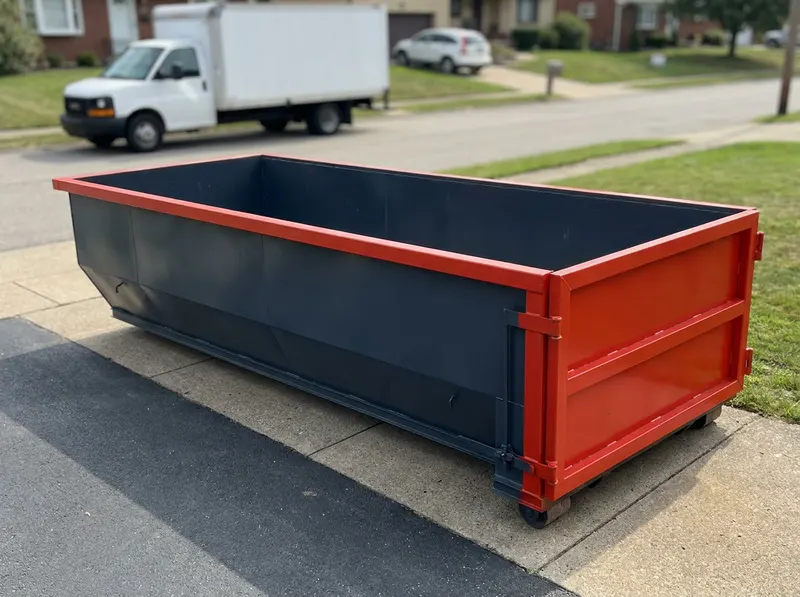
A long-term account differs from a single rental because the container stays on-site through a multi-week build and is emptied on a repeating cycle rather than hauled once and closed out. This fits general contractors framing new units in Lawrenceville, remodel crews gutting row houses in Polish Hill, and roofers running tear-offs across Brookline and Greenfield where debris reloads faster than a one-time pull can clear it. Decision guidance: if the job is a single-room cleanout that ends in a weekend, one standard rental is enough; if a crew generates a full box every few days for a month, a standing account with scheduled swaps keeps the site clear and keeps the billing on one flat sheet. The trade-off is simple prose, not a table, a single rental means one price and one pickup, while an account trades that for repeat swap-outs and predictable monthly totals that a project manager can forecast against a construction budget.
Container size binds to the work. The 10-yard holds roughly four pickup loads and suits a tight driveway on a Shadyside remodel where street width is limited; the 20-yard at $695 handles a mid-size kitchen or bath gut; the 30-yard at $795 and the 40-yard at $895 carry roof tear-offs and whole-floor demolition. Weight matters on heavy material, concrete, brick, and roofing shingles pack density fast, and the U.S. EPA classifies much of this as construction and demolition debris, which is why flat all-in pricing is stated up front rather than re-tallied by the ton at the end. Crews running active sites should confirm jobsite container placement against OSHA construction standards for clear egress and loading paths. Mixed loads can be screened against local recycling and disposal guidance before the box is filled, and any household hazardous waste must be kept out per federal hazardous waste rules.
Setting up an account runs in order. Step 1: call (412) 332-0659 with the site address, the sizes needed, and the expected swap frequency. Step 2: the container is placed where the crew directs, driveway, staging lot, or street. Step 3: a street placement in dense blocks like South Side Flats or Bloomfield may need a right-of-way permit, which the City of Pittsburgh handles under its Department of Mobility and Infrastructure; private driveways and lots in Highland Park or Squirrel Hill usually need none. Step 4: full boxes are swapped on the standing schedule, a filled container pulled and an empty dropped on one trip. Step 5: hauled material is taken to a permitted facility regulated by the Pennsylvania DEP waste program, and the account is billed per haul at the flat rate.
An account is not junk removal, a crew loads the container itself, and swaps are scheduled, not on-call labor. Fill levels should stay even with the top rail so the load is legal and safe to haul, in line with federal transport load rules; overloaded boxes cannot be lifted and get rescheduled. Prohibited items follow standard waste limits, no tires, no liquids, no appliances holding refrigerant, which the EPA covers under its refrigerant management rules. Contractors budgeting a demolition phase can estimate debris volume against figures from the National Association of Home Builders and the material-recovery practices of the Construction & Demolition Recycling Association so the right size is on-site before the first swing of the hammer near Mount Washington or Frick Park. Standing accounts near the University of Pittsburgh and Carnegie Mellon corridors are common where multi-unit renovation runs for months.
Every job gets a firm, written price after an on-site visit.
Tell us about your long-term & contractor accounts job in Pittsburgh and we'll send a clear, written quote, usually the same day.
 Iron Will Dumpster Rental